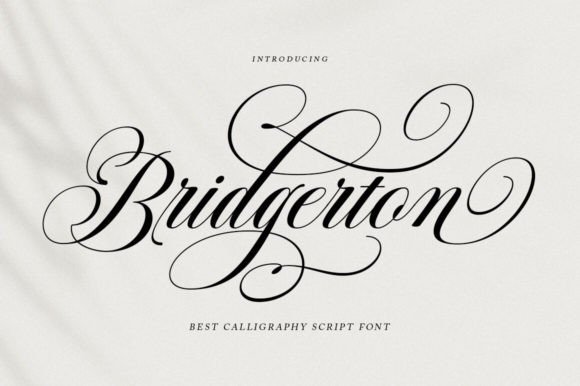
Sunflower: A Versatile Handwritten Font for Creative Expression
In the world of typography, fonts serve as more than just a means of communication—they are tools that shape visual identity and convey emotion. Among the many fonts available, Sunflower stands out as a unique handwritten font that blends elegance with modernity. Designed with care, this font is ideal for a wide range of creative projects, from personal stationery to professional branding. Its distinctive style makes it a favorite among designers, educators, and hobbyists who seek a touch of personality in their work.
Sunflower’s charm lies in its ability to balance traditional calligraphic influences with a fresh, contemporary feel. This duality allows it to adapt to various contexts without losing its character. Whether used in a formal document or a casual invitation, Sunflower adds a sense of warmth and authenticity that other fonts may lack. Its versatility ensures that it can be applied across different industries and creative disciplines, making it a valuable asset for anyone involved in design or communication.
Key Characteristics of Sunflower
One of the most notable features of Sunflower is its handwritten aesthetic. Unlike standard typefaces, which often feel rigid or mechanical, Sunflower mimics the natural flow of pen and paper. This gives it a personal and expressive quality that resonates with users looking for a more human touch in their designs. The subtle variations in stroke width and the irregularities in letterforms contribute to its organic look, making each instance of the font feel unique.
Another defining trait of Sunflower is its readability. Despite its cursive style, the font remains legible even at smaller sizes. This is achieved through careful attention to spacing, proportion, and stroke consistency. Designers can confidently use Sunflower for body text, headings, or decorative elements without sacrificing clarity. Its balance between form and function makes it suitable for both digital and print media.
The font also offers a wide range of weights and styles, allowing users to customize their output based on specific needs. Whether a project requires a bold, eye-catching title or a soft, delicate script, Sunflower provides options that cater to different visual preferences. This flexibility enhances its usability and ensures that it can be integrated into a variety of design systems.
Practical Applications of Sunflower
Sunflower’s adaptability makes it ideal for a broad spectrum of applications. In the realm of graphic design, it is commonly used for logos, packaging, and marketing materials. Its elegant curves and flowing lines add a touch of sophistication that can elevate the overall aesthetic of a brand. For instance, a boutique clothing line might incorporate Sunflower into its logo to communicate a sense of artistry and individuality.
In the field of education, Sunflower can be a valuable tool for teachers and students alike. Educators often use handwritten fonts to create engaging lesson plans, handouts, and classroom decorations. Sunflower’s friendly appearance can make learning materials more approachable and visually appealing, especially for younger audiences. Additionally, students can use it to personalize their notes, assignments, and creative projects, adding a personal flair to their work.
For small businesses and entrepreneurs, Sunflower offers a way to differentiate their brand in a competitive market. From business cards to social media posts, the font can be used to create a cohesive visual identity that reflects the values and personality of the business. Its versatility allows it to be paired with other typefaces, enabling the creation of dynamic and visually interesting layouts.
Advantages of Using Sunflower
One of the primary advantages of Sunflower is its ability to convey a sense of authenticity. In an age where digital communication dominates, using a handwritten font can help establish a more genuine connection with the audience. This is particularly beneficial for brands that aim to build trust and rapport with their customers. By incorporating Sunflower into their messaging, businesses can create a more relatable and memorable experience.
Another benefit of Sunflower is its ease of use. Most design software and platforms support this font, making it accessible to users with varying levels of technical expertise. Whether someone is designing a website, creating a poster, or working on a digital illustration, Sunflower can be seamlessly integrated into the workflow. Its compatibility with different file formats further enhances its practicality.
Additionally, Sunflower’s unique style sets it apart from generic fonts that may feel overused or unoriginal. By choosing Sunflower, designers and creators can avoid the risk of their work blending in with the crowd. Instead, they can showcase a distinct visual identity that reflects their creativity and individuality.
Considerations When Using Sunflower
While Sunflower is highly versatile, there are certain considerations to keep in mind when using it in different contexts. One important factor is the size and scale of the font. Although it is readable at smaller sizes, it may not be the best choice for large-scale signage or billboards where clarity and impact are paramount. In such cases, a more structured or sans-serif font might be more appropriate.
Another consideration is the contrast between Sunflower and other elements in a design. Because of its flowing style, it may not pair well with overly complex or busy layouts. Designers should ensure that the font complements the overall composition rather than competing with it. Thoughtful placement and strategic use of white space can help maintain balance and harmony in the design.
Finally, users should be mindful of licensing and usage rights when incorporating Sunflower into commercial projects. While many fonts are available for free, some require proper attribution or payment for extended use. It is essential to review the terms of use to avoid any legal complications and ensure that the font is used appropriately.
Conclusion
Sunflower is more than just a font—it is a creative tool that empowers users to express themselves in a meaningful way. Its blend of elegance, readability, and versatility makes it a valuable addition to any designer’s toolkit. Whether used in professional settings, educational environments, or personal projects, Sunflower has the potential to enhance visual communication and leave a lasting impression. By understanding its characteristics, applications, and considerations, users can make informed decisions about how to best utilize this unique handwritten font in their work.