Smile: A Handwritten Font That Brings Personality to Your Designs
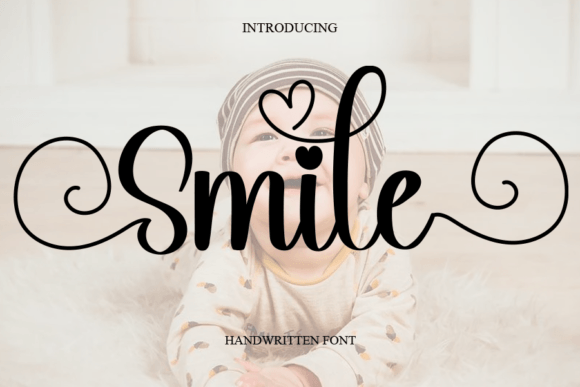
In the world of typography, the choice of a font can significantly influence the tone and message of a design. Among the many fonts available, Smile stands out as a simple yet expressive handwritten font that adds a touch of warmth and authenticity to any project. Whether you're creating a greeting card, designing a website, or crafting a brand identity, Smile offers a unique blend of style and functionality that can elevate your work.
Unlike traditional typefaces that often feel rigid or impersonal, Smile embraces the imperfections of handwriting, making it ideal for projects that require a more personal and approachable aesthetic. Its natural flow and gentle curves give it a friendly and inviting appearance, which can be especially effective in marketing materials, educational content, or creative expressions.
The Versatility of Smile
One of the most appealing aspects of Smile is its versatility. This font is not limited to a single use case; instead, it can be adapted across various applications. For instance, in the realm of greeting cards, Smile can add a heartfelt and personalized touch that makes the message more meaningful. When used in headlines, it can draw attention while maintaining a sense of simplicity and elegance.
Additionally, Smile works well in digital environments such as websites and social media posts. Its readability on screens makes it suitable for both short and long-form text. Designers often use it for call-to-action buttons, headings, or even body text when they want to convey a casual and approachable vibe. The font's adaptability allows it to fit seamlessly into different design contexts without losing its character.
Applications in Different Industries
The applications of Smile extend beyond just visual design. In the education sector, for example, this font can be used in lesson plans, worksheets, or classroom signage to create a more engaging and welcoming environment. Teachers and educators may find that using Smile helps make learning materials feel less intimidating and more accessible to students.
Business owners and marketers also benefit from the use of Smile. In branding, this font can help differentiate a company's identity by offering a contrast to more formal typefaces. It can be particularly effective for businesses that aim to communicate a sense of trust, creativity, or community. For instance, a boutique store or a local café might use Smile in their logo or promotional materials to reflect a warm and personal brand image.
Moreover, Smile is a popular choice among independent artists and creators. Whether it's for album covers, illustrations, or personal blogs, this font adds a unique flair that sets the work apart. Its handwritten nature gives each piece a one-of-a-kind quality, which can be especially valuable in a market where originality is highly sought after.
Advantages of Using Smile
There are several advantages to incorporating Smile into your design projects. One of the primary benefits is its ability to convey emotion and personality. Unlike standard fonts that can feel generic, Smile has a distinct character that can evoke feelings of friendliness, creativity, or nostalgia. This emotional resonance can be powerful in connecting with audiences and reinforcing a brand's message.
Another advantage is its ease of use. Smile is typically available in multiple formats, including TrueType and OpenType, making it compatible with most design software. This accessibility ensures that designers can integrate the font into their workflow without technical complications. Additionally, many platforms offer free or affordable versions of Smile, allowing users to experiment with it before committing to a purchase.
Furthermore, Smile is known for its readability. While it retains the organic feel of handwriting, it avoids the pitfalls of overly stylized fonts that can be difficult to read. This balance between style and legibility makes it a practical choice for both print and digital media. Whether you're designing a poster or a mobile app, Smile can maintain clarity without sacrificing aesthetic appeal.
Considerations When Using Smile
Despite its many strengths, there are some considerations to keep in mind when using Smile. One important factor is the context in which it is applied. While the font excels in informal or creative settings, it may not be suitable for professional or formal documents. In such cases, a more structured typeface might be more appropriate to maintain a sense of professionalism and consistency.
Another consideration is the size and spacing of the font. Because Smile has a handwritten appearance, it may require adjustments in kerning and line spacing to ensure optimal readability. Designers should test the font at different sizes and in various layouts to determine how it performs in different scenarios. This attention to detail can help prevent issues that might arise from improper formatting.
Lastly, it's essential to respect the licensing terms associated with Smile. Depending on the source, the font may have specific restrictions on commercial use or redistribution. Users should verify the license agreement to ensure they are using the font in compliance with the terms. This step is crucial for avoiding legal complications and supporting the font's creators.
Overall, Smile is a versatile and expressive font that can enhance a wide range of design projects. Its ability to blend simplicity with personality makes it an excellent choice for those looking to add a human touch to their work. Whether you're a designer, educator, business owner, or hobbyist, Smile offers a unique way to communicate your message with authenticity and charm.